
Search Charlottesville 72 Hour Booking
Charlottesville 72 hour booking records cover recent arrests by the Charlottesville Police Department and intake at the Albemarle-Charlottesville Regional Jail. This page shows you how to look up a recent booking, find a court case, and ask for a copy of an arrest report. Most basic facts are public, the tools are free to use, and the steps are short. Whether you are checking on a friend, a family member, or a case you read about in the news, the city's records flow through a small set of public sites you can search at any hour.
Charlottesville Overview
Charlottesville 72 Hour Booking Lookup
Charlottesville is an independent city, which means it runs its own police force and city court. Arrests made inside city limits are handled by the Charlottesville Police Department. Once a person is booked, they are taken to the Albemarle-Charlottesville Regional Jail. The jail roster is the main public source for fresh booking data. The court case file fills in the rest later on.
The city does not run a separate jail. The regional jail at 160 Peregory Lane handles intake for both Charlottesville and Albemarle County. Its phone line, (434) 977-6981, is open 24 hours for custody checks. Staff can confirm if a person is in the building and read out the bond amount over the phone.
Below, you will find a step-by-step guide for each tool. The Charlottesville Police records office handles arrest reports. The regional jail handles inmate lookups. The city courts handle case files. Each one runs on its own site.
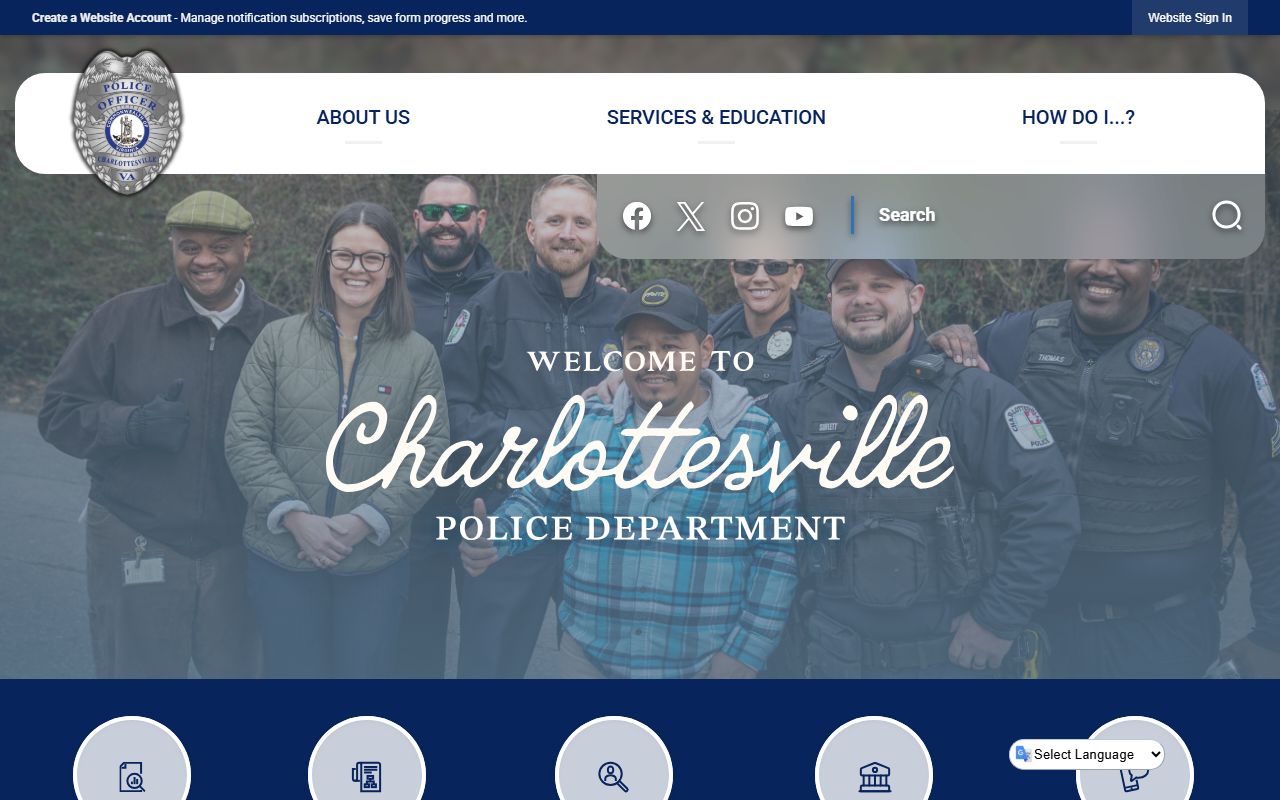
The CPD records office takes FOIA requests for arrest reports, incident reports, and booking sheets. Bring photo ID and be ready to give a name and a date.
Charlottesville Police Department and Recent Arrests
The Charlottesville Police Department maintains arrest records and incident reports for the city. The department posts general crime data and contact info at charlottesville.gov/police. The records office handles FOIA requests for booking sheets, charging documents, and case files tied to a Charlottesville 72 hour booking.
Officers must follow Virginia Code § 19.2-82. The statute says a person taken in without a warrant must go before a magistrate right away. The magistrate looks at probable cause and sets bond. This is the first court step in any city booking. It happens before the person sees a judge.
The department covers all of Charlottesville, including the University of Virginia area in part. UVA Police handle most on-campus matters but pass cases to CPD when needed. Both agencies use the same regional jail for intake.
Note: Some Charlottesville arrest reports are held until a case closes; ask for the booking entry, which is almost always released.
How to Search Charlottesville 72 Hour Booking
The fastest way to check a Charlottesville 72 hour booking is the Albemarle-Charlottesville Regional Jail roster. The jail posts a current inmate list and a recent booking page. You can look up a person by last name. The page shows the booking date, the charges, the bond amount, and the projected court date.
Another tool is VINELink. VINE pulls live data from the regional jail and most other Virginia jails. You can search by name, set a free alert, and get a call when custody status changes. The hotline at 1-800-467-4943 runs day and night in English and Spanish.
For a name search you usually need:
- First and last name of the person in custody
- Approximate date of arrest
- Date of birth if you have it
If the person is not on the roster, call the jail records line. Sometimes a booking is in process and has not posted to the public site yet. Staff can confirm an in-process intake even when the website lags.
Charlottesville Court Records and Bookings
Once a Charlottesville booking turns into a charge, the case moves to a city court. Misdemeanors and traffic cases land in the General District Court. Felonies go to the Circuit Court for trial or plea. Both courts post their data to the statewide system run by the Office of the Executive Secretary of the Supreme Court.
You can pull a case file through the Virginia Courts Case Information System. Search by name, hearing date, or case number. The site shows charges, court dates, judges, and dispositions. It runs every business day at no cost.
For local hearing info, the Charlottesville General District Court page lists the courthouse address, the clerk hours, and the contact line. Felony cases move on to the Charlottesville Circuit Court. The Circuit Court is the trial court of record and holds the felony case file from start to finish.
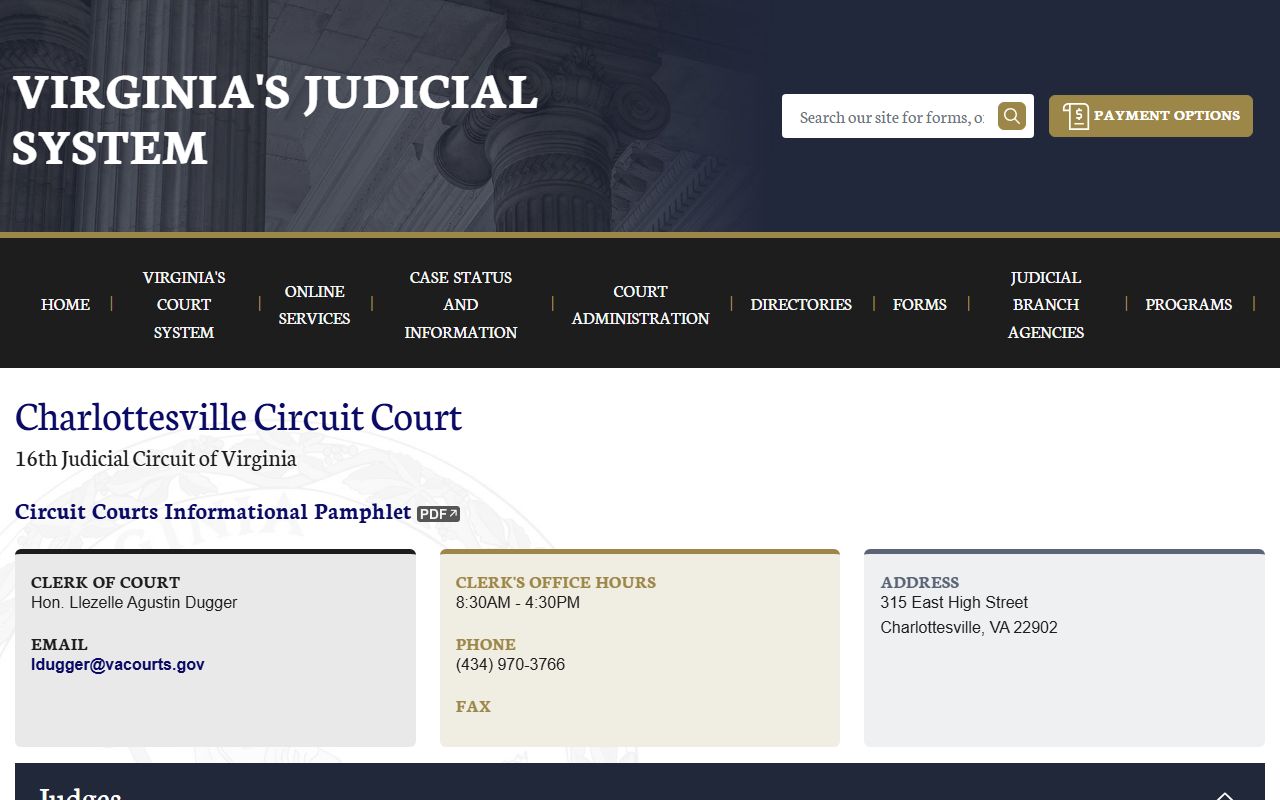
If a case is sealed or under seal pending a hearing, the public file may be limited. The clerk can tell you what is open and what is not. Most basic case data is open under state law.
Bond and Magistrate Process in Charlottesville
The magistrate is the first judicial officer to see a Charlottesville 72 hour booking. A magistrate is not a judge. The role is to look at probable cause, set bond, and decide whether the case should move forward. Magistrates work in shifts day and night so a fresh booking can be reviewed at any hour.
Bond can be cash, surety, property, or release on recognizance. The choice depends on the charge, the record, and any flight risk. If the person cannot make bond at first, they stay at the regional jail until a bond review hearing. A defense lawyer can file a motion to lower the bond or change the terms.
For some charges there is no bond at first. Repeat domestic offenses, certain firearms charges, and a few other classes have a hold rule under state law. The judge must hold a hearing before the person can be released.
Charlottesville 72 Hour Booking Access Rules
Most basic Charlottesville 72 hour booking facts are open to the public. The name, the charge, and the booking date are public under the Virginia FOIA in § 2.2-3700. You do not need to give a reason. You do not need to be related to the person.
Some details get held back. Active investigation files, juvenile records, and victim info are restricted. Virginia Code § 19.2-389 limits the spread of raw criminal history data from the state's Central Criminal Records Exchange. The agency must cite the exact statute when it denies a request.
For your own personal record, the Virginia State Police CCRE handles name-based and fingerprint checks. The fee is $15 per name search. Mail Form SP-167 with the fee and a copy of your ID. Processing runs about two weeks.
Note: A fee waiver may be granted for indigent requesters under the FOIA rules; ask the records clerk before you file the request.
Legal Help and Records Requests in Charlottesville
Charlottesville has a strong legal aid network. The Legal Aid Justice Center is based in town and helps low-income clients. The Charlottesville-Albemarle Bar Association runs a referral line for paid lawyers. For statewide FOIA help, the Virginia FOIA Council answers questions and gives non-binding opinions.
To file a records request, send a short email or letter to the police records clerk. Give the person's name, the date of the booking, and your contact info. Cite § 2.2-3700 and ask for the booking log entry, the arrest report, and any related incident report. The agency has five working days to respond.
For state prison data, the Virginia Department of Corrections offender locator tracks sentenced inmates. It does not show fresh jail bookings. Stay with the regional jail roster and VINELink for the recent stuff.