
Emporia 72 Hour Booking
Emporia 72 hour booking records show recent arrests and jail intakes handled by the Emporia Police Department and the Greensville County Sheriff. The two agencies share custody work for the city. People booked here are held at the local jail and seen by a magistrate before any long stay. You can look up a name, charge, or booking date through the city, the sheriff, and the Virginia court system. This page walks you through the steps and links every key Emporia 72 hour booking source.
Emporia Overview
Emporia 72 Hour Booking Lookup
Most Emporia bookings start with a stop or a call for service inside the small city limits. The arresting officer takes the person to the magistrate. The magistrate signs the warrant or summons, and the booking is logged at the local jail. From there the basic record becomes public. You can ask for it by name, by date, or by charge type.
The fastest way to check is to call the Emporia Police Department directly. The non-emergency line for the city of Emporia runs through emporia-va.gov, where you can also find office hours and the FOIA contact. If the person was booked overnight, the duty officer can confirm a name and a charge over the phone. They will not always give bond details by voice. For that, the jail roster is the next stop.
Booking details flow up to the courts within a day. A felony case heads to circuit court. A misdemeanor lands in general district court. Either way, the case shows up online soon after intake.
Police and Sheriff Roles in Emporia
Two agencies cover the Emporia 72 hour booking workload. The Emporia Police Department patrols the city. The Greensville County Sheriff's Office runs the local jail and books people brought in from city and county arrests. That split is common in small Virginia cities. It keeps the patrol force lean and uses one shared facility for custody.
The sheriff's office is your best stop for an inmate lookup. Staff there can confirm if a person is in the building, what their charges look like, and when court is set. They also handle visitation, bond posting, and release. Most calls during business hours get answered fast. After hours, the dispatcher takes a message or routes the call to the on-duty deputy.
Records requests for arrest reports go to the agency that made the arrest. If the city police booked the person, ask the city. If a sheriff's deputy made the stop, ask the sheriff. The Virginia Freedom of Information Act under § 2.2-3700 gives the public the right to ask for these records, and the agency has five working days to reply.
Note: Emporia is geographically inside Greensville County but is a separate independent city, so jail and court services are shared between the two governments.
How to Search Emporia 72 Hour Booking
Start with a name. A first and last name is usually enough. A date of birth helps when the name is common. If you know the rough booking date, that narrows the results fast.
Next, check court records. The Virginia Courts Case Information System covers every general district and circuit court case in the state. Type the name into the Emporia general district court search or the circuit court search. New cases tied to a 72 hour booking usually show up within one business day.
Useful info to gather before you search:
- Full legal name with any middle name
- Date of birth or rough age
- Date of arrest or close estimate
- City or county where the arrest happened
- Case number if you have one
If the local roster does not show the person, check VINELink. It pulls custody data from most Virginia jails and lets you set up free email or phone alerts when a custody status changes. The hotline runs day and night.
The statewide search tool below ties most Virginia jails into one database, which is helpful for an Emporia 72 hour booking when the local roster has not refreshed yet. The link goes straight to VINELink.
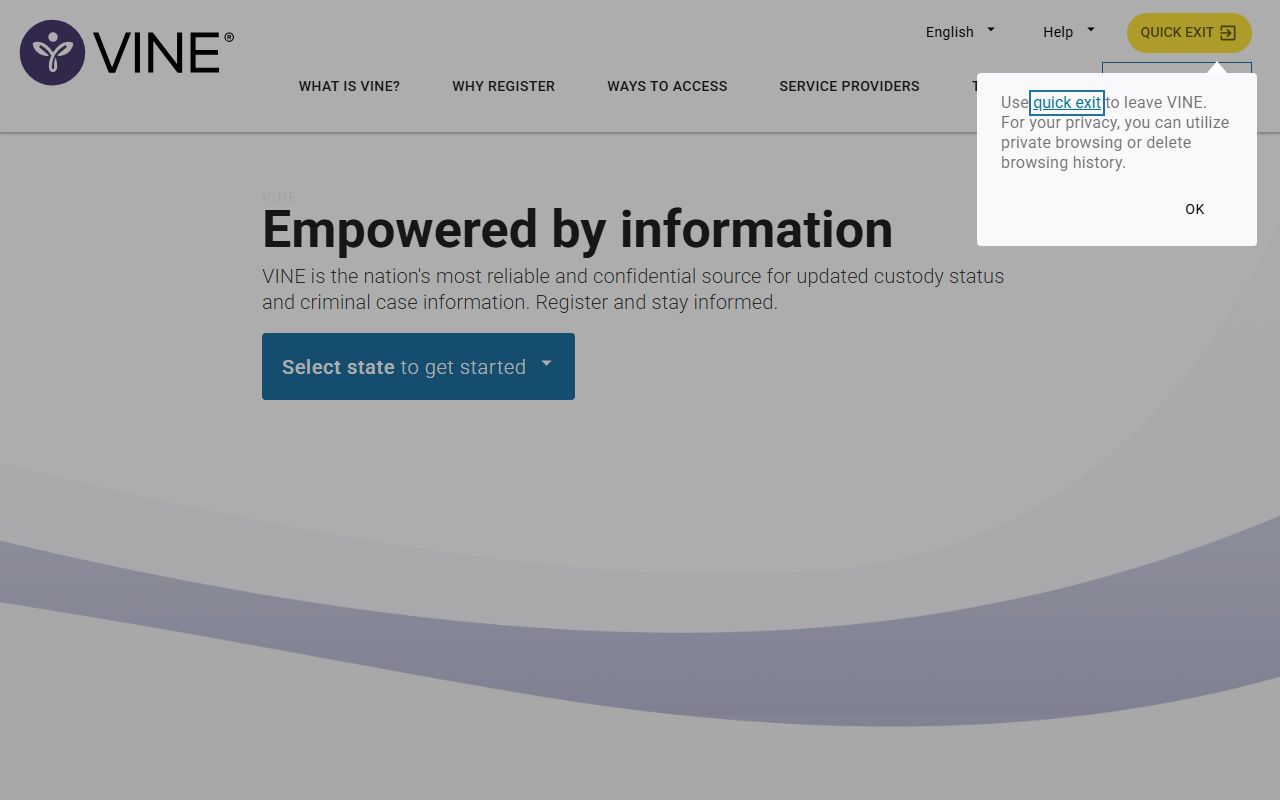
VINELink lets you set up free alerts so you know when a person posts bond, moves to a new facility, or is released from custody.
Emporia Court Records and Booking
Court filings tied to a booking show up in two main places. Misdemeanors run through the Emporia General District Court, which is part of the Second Judicial District. Felony cases route to the Emporia Circuit Court. Both share a courthouse with shared clerks and a shared docket schedule.
The general district court also handles traffic tickets, civil claims under $25,000, and the first hearings on most felony charges before they get bound over. Bond hearings, motions to reduce bond, and court-appointed attorney requests all happen here. The clerk can pull a paper file if the case is too old for the online system.
Once a case is set for trial in circuit court, the file lands with the circuit clerk. Public access at the courthouse is free. Copies cost a small fee per page. Certified copies cost a bit more. Court hours run weekdays during business hours.
Arrest records for older bookings live in the courts as well. A Virginia statute, § 19.2-389, sets the rules for who can get raw criminal history data from the state, but court records stay open under separate rules.
What an Emporia Booking Sheet Shows
A standard Emporia 72 hour booking entry has a small set of facts. Name. Age. Date and time of intake. Charge or charges. Bond amount and type. Arresting agency. Most entries also list the next court date and the courtroom. Some include a mugshot. Some do not.
The bond piece matters a lot. A magistrate sets the first bond at the time of booking. If the person can post cash or use a bondsman, they walk out the same day. If the bond is denied or set high, they stay until the next court date. A judge can lower the bond at a later hearing. The booking sheet only shows the first bond, not the later one.
Charges on the sheet use Virginia code section numbers. For example, an assault charge might read § 18.2-57. A DUI shows as § 18.2-266. The code section ties the charge to the law and the penalty range. The arrest itself happens under § 19.2-82, which sets the rule that a warrantless arrest must go before a magistrate fast.
Note: Some booking facts may be held back if a case is sealed, juvenile, or part of an active investigation, but the basic name and charge stay public.
Records Requests in Emporia
To request a copy of an arrest report, file a short FOIA letter with the Emporia Police Department or the Greensville County Sheriff. Include your name, your address, the subject's name, and the rough date of arrest. Email is fine. The agency has five working days to reply. They can ask for an extra seven days if the file is large.
Fees stay small. The first batch of pages is usually free. After that, the agency can charge for copies and staff time. Big requests over $200 may need an upfront deposit. A short, focused request keeps the cost down. If you want a copy of your own criminal history, the Virginia State Police Central Criminal Records Exchange handles that through vsp.virginia.gov. The fee is $15 per name search.
Statewide FOIA help lives at the Division of Legislative Services FOIA page. The site explains the rules, the deadlines, and the appeal steps if a request gets denied.
Emporia 72 Hour Booking Help
If you need help finding a person in custody and the online tools come up empty, try the Greensville County dispatcher. They can route the call to the right deputy. For court paperwork, the clerk's office can pull the file if you give them a name and a date. For legal help, the local public defender or a private lawyer can pull the booking record on the inmate's behalf.
VINELink is the best free statewide tool. It pulls live custody data from most Virginia jails. You can search by name, see what facility holds the person, and sign up for alerts when the custody status changes. The hotline number is 1-800-467-4943 and runs around the clock.
Most basic booking facts in Emporia stay public. You do not need a reason to ask. The name, the charge, and the booking date are open under the Virginia FOIA law. The agency only holds back files that fall under a specific exemption.
Nearby Virginia Cities
Pick a nearby city for its own 72 hour booking lookup, jail roster, and court resources.